



In today’s busy world, taking care of both your body and mind is no longer a luxury—it’s a necessity. Prioritizing your Physical & Emotional Well-Being is one of the most important aspects of living a balanced life. Whether you’re managing work, studies, family responsibilities, or personal goals, your overall well-being plays a crucial role in how you think, feel, and perform every day.
Physical and emotional well-being are closely connected. A healthy body supports a healthy mind, while emotional balance helps you make better lifestyle choices. When both are in harmony, life becomes more fulfilling, productive, and enjoyable. Let’s explore why these two aspects of health matter and how you can improve them with simple daily habits.
Understanding Physical Well-Being
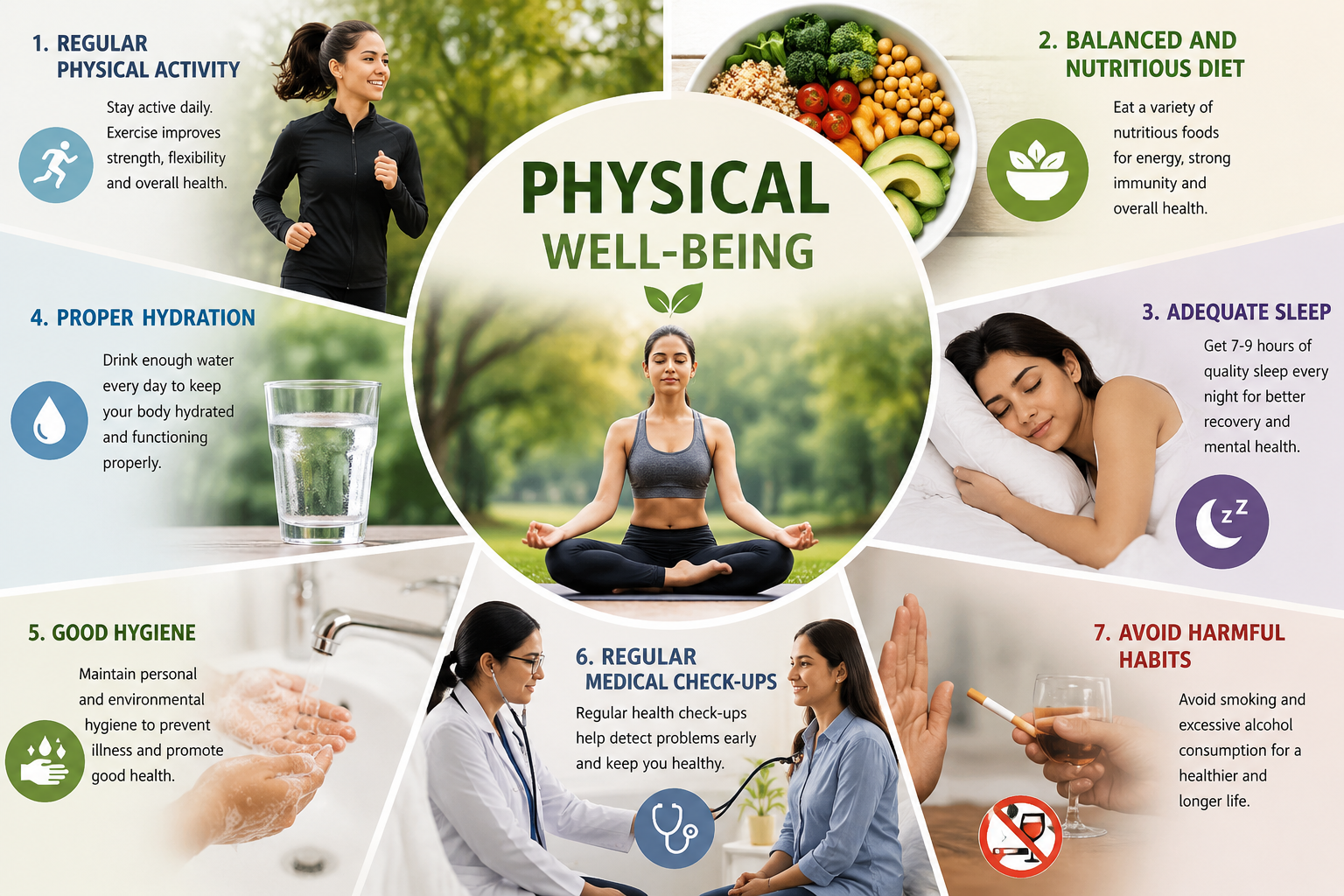
Physical well-being refers to the overall health of your body and its ability to function effectively. It doesn’t mean having a perfect physique or spending hours in the gym. Instead, it focuses on maintaining a healthy lifestyle through regular exercise, balanced nutrition, quality sleep, proper hydration, and preventive healthcare.
Good physical health allows you to complete daily tasks with energy, reduces the risk of chronic diseases, and improves your overall quality of life.
Key Elements of Physical Well-Being
- Regular physical activity
- Healthy and balanced diet
- Adequate sleep
- Staying hydrated
- Good personal hygiene
- Routine health check-ups
- Avoiding smoking and excessive alcohol consumption
What Is Emotional Well-Being?
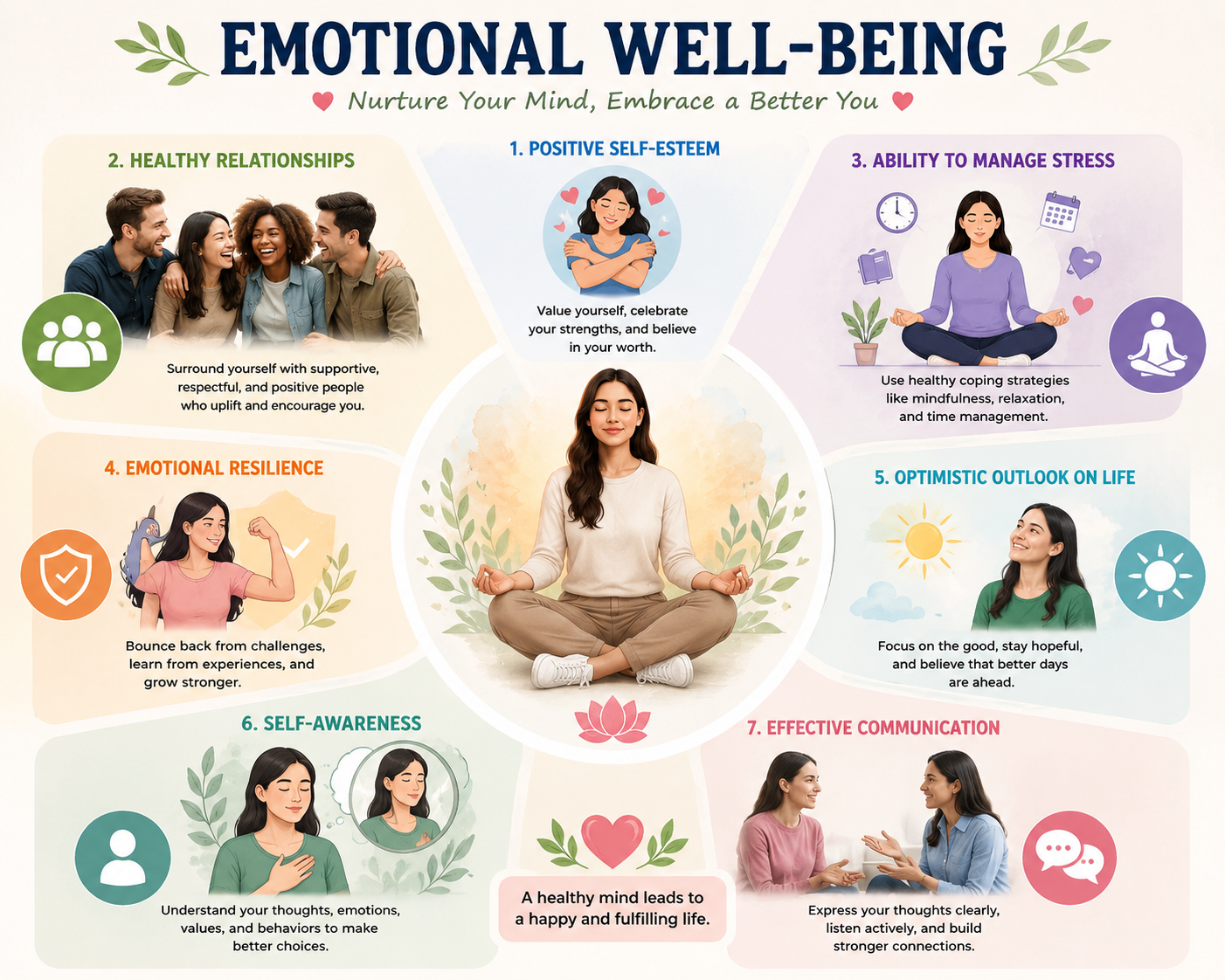
Emotional well-being is your ability to understand, manage, and express your emotions in a healthy way. It helps you deal with stress, build strong relationships, overcome challenges, and maintain a positive outlook on life.
Emotionally healthy people understand that feeling sad, anxious, or frustrated is a natural part of life. The difference is that they know how to manage these emotions without letting them control their lives.
Signs of Good Emotional Health
- Positive self-esteem
- Strong relationships
- Effective communication
- Emotional resilience
- Ability to manage stress
- Optimistic attitude
- Self-awareness
- Confidence in handling challenges
The Strong Connection Between Body and Mind
Your physical and emotional health work together like two sides of the same coin. When one suffers, the other often follows.
For example, long-term stress can cause headaches, fatigue, digestive problems, and even high blood pressure. On the other hand, regular physical activity releases endorphins—often called “feel-good hormones”—that reduce stress and improve mood.
Maintaining both physical and emotional well-being helps you:
- Stay focused
- Improve memory
- Increase energy
- Build confidence
- Strengthen immunity
- Enjoy healthier relationships
Benefits of Physical Well-Being
1. More Energy Throughout the Day
Regular exercise improves blood circulation, helping oxygen and nutrients reach every part of your body. This keeps you energetic and reduces fatigue.
2. Stronger Immune System
Eating nutritious foods rich in vitamins, minerals, and antioxidants helps your body fight infections and illnesses more effectively.
3. Better Heart Health
Activities like walking, cycling, swimming, and jogging improve cardiovascular fitness and lower the risk of heart disease.
4. Healthy Weight Management
A balanced diet combined with regular exercise helps maintain a healthy weight and reduces the chances of obesity and related health conditions.
5. Better Sleep Quality
People who stay physically active usually enjoy deeper, more restful sleep, allowing the body and mind to recover properly.
Benefits of Emotional Well-Being
Reduced Stress
Emotionally balanced people handle difficult situations calmly and focus on finding solutions rather than worrying endlessly.
Healthier Relationships
Good emotional health improves communication, empathy, and understanding, helping build stronger relationships with family, friends, and colleagues.
Improved Productivity
When your mind feels calm and focused, you’re more creative, make better decisions, and perform well at work or school.
Greater Self-Confidence
Emotional wellness encourages self-acceptance and motivates you to pursue personal and professional goals with confidence.
Higher Life Satisfaction
People with positive emotional health often experience greater happiness, gratitude, and overall life satisfaction.
Simple Ways to Improve Physical Well-Being
Exercise Regularly
Aim for at least 30 minutes of moderate exercise most days of the week.
Good options include:
- Walking
- Running
- Cycling
- Yoga
- Swimming
- Dancing
- Strength training
Eat a Balanced Diet
Fill your plate with:
- Fresh fruits
- Vegetables
- Whole grains
- Lean proteins
- Healthy fats
- Dairy or plant-based alternatives
Limit sugary drinks, processed foods, and excessive salt intake.
Stay Hydrated
Water supports digestion, improves skin health, regulates body temperature, and keeps your body functioning efficiently. Drink enough water throughout the day, especially during hot weather or after exercise.
Get Quality Sleep
Adults should aim for 7–9 hours of sleep every night. A consistent sleep routine improves memory, concentration, mood, and physical recovery.
Ways to Strengthen Emotional Well-Being
Practice Mindfulness
Meditation, deep breathing, and mindfulness exercises help reduce anxiety and improve focus.
Express Your Feelings
Talk to trusted friends or family members about your emotions. Writing in a journal can also help you process your thoughts.
Build Positive Relationships
Spend time with people who encourage and support you. Healthy relationships create a strong emotional foundation.
Practice Gratitude
Keeping a gratitude journal helps shift your focus toward positive experiences and increases overall happiness.
Nutrition’s Role in Overall Wellness
The food you eat directly affects both your physical and emotional health. Nutrient-rich foods fuel your body and support brain function.
Include these foods in your diet:
- Leafy green vegetables
- Fresh berries
- Nuts and seeds
- Fatty fish rich in Omega-3
- Yogurt
- Whole grains
- Beans and lentils
Eating fewer processed foods and less added sugar can help maintain stable energy levels and improve mood.
Work-Life Balance Matters
Modern lifestyles often blur the line between work and personal life. Constant pressure can lead to stress and burnout.
Simple ways to maintain balance include:
- Taking regular breaks
- Setting realistic goals
- Spending time with loved ones
- Pursuing hobbies
- Avoiding overworking
A healthy work-life balance improves both mental and physical health.
Healthy Technology Habits
Technology makes life easier, but excessive screen time can negatively affect posture, sleep, and emotional well-being.
Healthy digital habits include:
- Taking frequent screen breaks
- Limiting social media usage
- Avoiding devices before bedtime
- Spending more time outdoors
- Having face-to-face conversations
The Importance of Self-Care
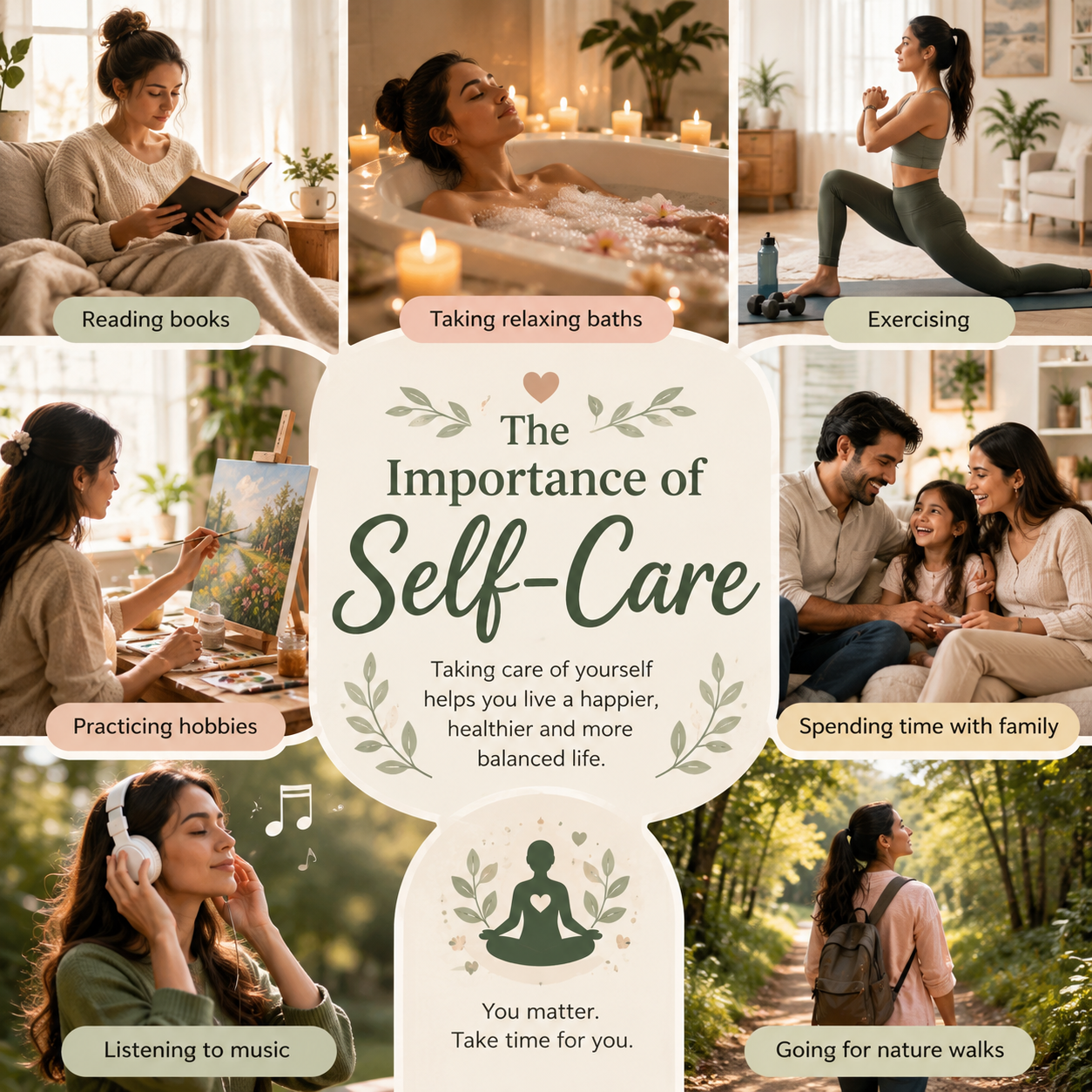
Self-care means intentionally making time for activities that refresh your body and mind. It is not selfish—it is essential.
Some simple self-care activities include:
- Reading books
- Taking relaxing baths
- Exercising
- Practicing hobbies
- Spending time with family
- Listening to music
- Going for nature walks
Even 20 to 30 minutes of self-care each day can significantly improve your overall well-being.
Build Healthy Daily Habits
Small, consistent habits often create the biggest results.
Start with these simple routines:
- Wake up early
- Eat a healthy breakfast
- Drink enough water
- Stay physically active
- Practice gratitude
- Take short work breaks
- Spend time outdoors
- Sleep at the same time every night
Remember, consistency matters more than perfection.
Conclusion
Physical and emotional well-being are the foundation of a healthy, successful, and meaningful life. They work together to help you face challenges, build stronger relationships, improve productivity, and enjoy greater happiness. By making simple daily choices—such as exercising regularly, eating nutritious meals, getting enough sleep, managing stress, and practicing self-care—you can create lasting improvements in your overall health.
True wellness isn’t about being perfect. It’s about making small, positive decisions every day that support both your body and your mind. Start with one healthy habit today, stay consistent, and watch how it transforms your life over time.