



In today’s fast-paced world, processed foods have become an essential part of many people’s diets. From frozen meals and packaged snacks to canned soups and breakfast cereals, these products offer convenience, affordability, and a longer shelf life. However, not all processed foods are created equal. While some retain their nutritional value and support a healthy diet, others—especially ultra-processed foods—can negatively affect your health when consumed regularly.
So, should you completely avoid processed foods? Not necessarily. The key lies in understanding what processed food is, recognizing the different types, and making informed choices. Let’s explore everything you need to know about processed food consumption and its effects on your health.
What Is Processed Food?
Processed food refers to any food that has been altered from its natural state before reaching your plate. Food processing includes methods such as washing, cutting, freezing, cooking, drying, canning, pasteurizing, packaging, or adding ingredients like salt, sugar, oils, preservatives, and flavor enhancers.
Processing isn’t always bad. In fact, many processing techniques make food safer, reduce food waste, and increase shelf life. For example, pasteurized milk eliminates harmful bacteria, while frozen vegetables retain most of their nutrients and remain fresh for months.
The concern arises with ultra-processed foods, which are heavily modified and often packed with excessive sugar, unhealthy fats, sodium, and artificial additives.
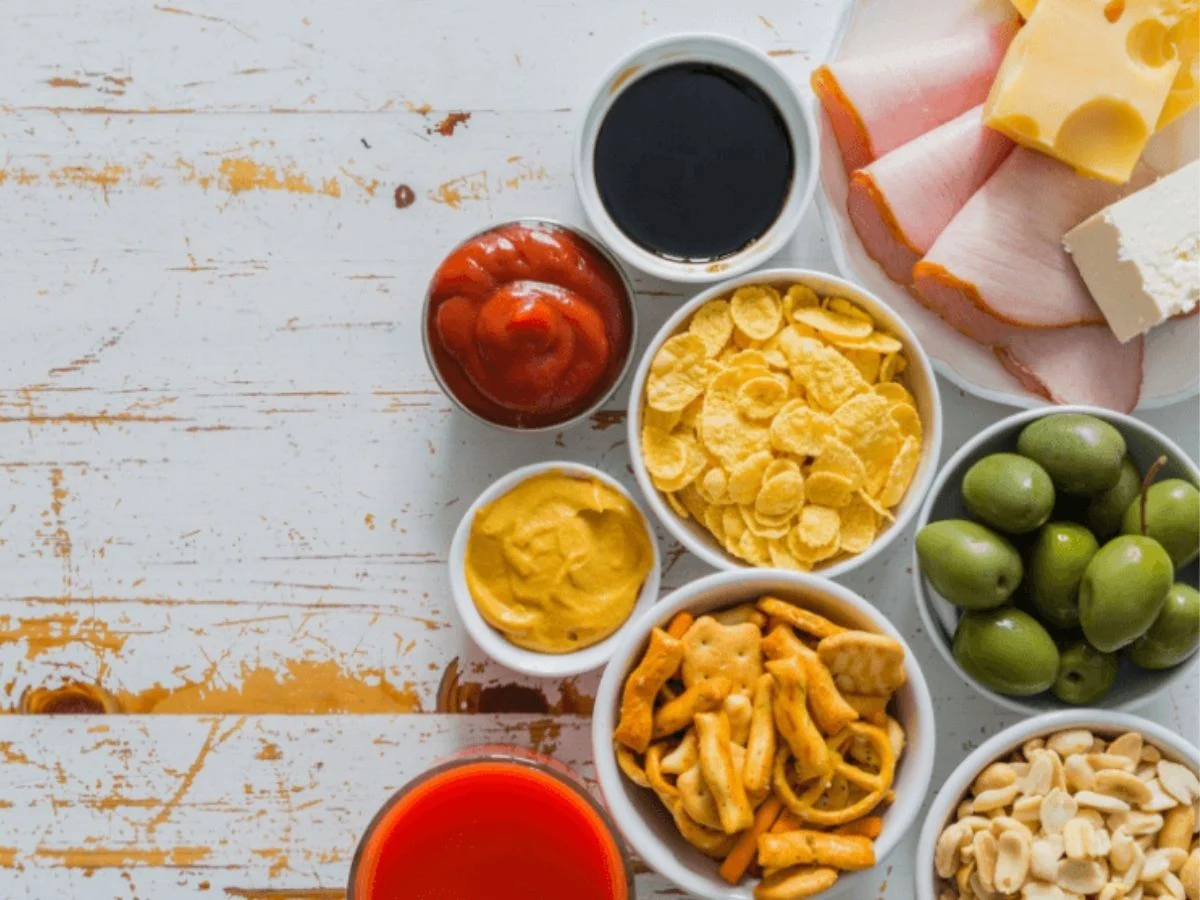
Types of Processed Foods
Understanding the different categories of processed foods can help you make healthier dietary decisions.
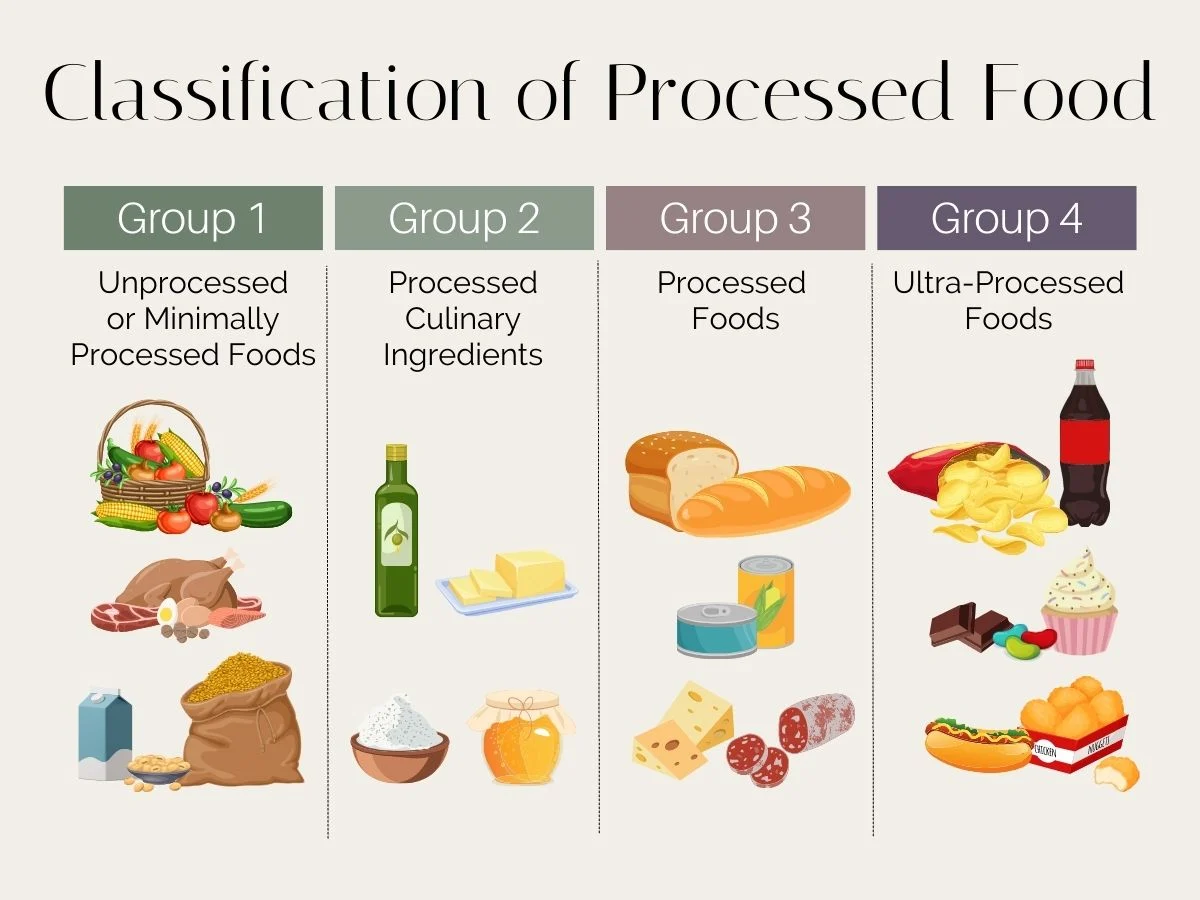
1. Minimally Processed Foods
These foods undergo only basic processing to preserve freshness or improve convenience.
Examples include:
- Fresh-cut fruits
- Washed vegetables
- Frozen fruits and vegetables
- Plain yogurt
- Brown rice
- Pasteurized milk
- Unsalted roasted nuts
These foods retain most of their natural nutrients and are generally considered healthy additions to a balanced diet.
2. Moderately Processed Foods
Moderately processed foods contain a few added ingredients to improve flavor, texture, or shelf life.
Examples include:
- Cheese
- Whole-grain bread
- Peanut butter
- Tofu
- Canned beans
- Canned tuna
When consumed in moderation and chosen carefully, these foods can provide valuable nutrients.
3. Highly Processed (Ultra-Processed) Foods
Ultra-processed foods contain refined ingredients, artificial additives, preservatives, and high amounts of sugar, salt, and unhealthy fats.
Examples include:
- Potato chips
- Instant noodles
- Sugary breakfast cereals
- Soft drinks
- Frozen pizzas
- Fast food burgers
- Chicken nuggets
- Packaged cookies
- Processed meats like sausages and hot dogs
These products are often low in fiber and essential nutrients while being high in calories.
Why Do People Consume Processed Foods?
Processed foods are popular for several reasons. They fit perfectly into today’s busy lifestyle.
Some common reasons include:
- Quick and easy meal preparation
- Affordable prices
- Longer shelf life
- Easy availability in supermarkets
- Attractive taste and texture
- Minimal cooking required
- Wide variety of choices
For working professionals, students, and families with limited cooking time, processed foods often become a convenient solution.
Nutritional Characteristics of Processed Foods
Highly processed foods usually contain ingredients that improve flavor and preservation but may reduce nutritional quality.
High Sugar Content
Many packaged foods contain added sugars that increase calorie intake without providing essential nutrients.
Common examples include:
- Soft drinks
- Cakes
- Candies
- Sweetened yogurt
- Packaged desserts
Excess sugar intake may contribute to weight gain, tooth decay, and Type 2 diabetes.
High Sodium (Salt)
Salt enhances flavor and extends shelf life.
Foods high in sodium include:
- Instant noodles
- Frozen meals
- Chips
- Processed meats
- Canned soups
Too much sodium can increase blood pressure and raise the risk of heart disease.
Unhealthy Fats
Ultra-processed foods often contain saturated fats or trans fats.
These are commonly found in:
- Fried fast foods
- Cream-filled biscuits
- Packaged pastries
- Bakery products
Regular consumption may increase cholesterol levels and cardiovascular disease risk.
Artificial Additives
Manufacturers frequently use:
- Artificial colors
- Flavor enhancers
- Preservatives
- Sweeteners
- Stabilizers
- Emulsifiers
These additives improve appearance, taste, and shelf life but often indicate a higher degree of processing.
Health Effects of Excessive Processed Food Consumption
Eating processed foods occasionally isn’t harmful. However, consuming large amounts every day can affect both short-term and long-term health.
1. Weight Gain and Obesity
Ultra-processed foods are typically high in calories and low in fiber, making them easy to overeat. They may not keep you full for long, encouraging frequent snacking and excessive calorie intake.
2. Increased Risk of Heart Disease
Foods rich in sodium, saturated fats, and trans fats may contribute to:
- High blood pressure
- High cholesterol
- Heart attacks
- Stroke
Replacing processed snacks with whole foods can significantly improve heart health.
3. Type 2 Diabetes
Foods containing large amounts of refined carbohydrates and added sugar cause rapid increases in blood sugar levels. Over time, this may lead to insulin resistance and increase the risk of developing Type 2 diabetes.
4. Digestive Problems
Most ultra-processed foods lack dietary fiber, which is essential for healthy digestion.
Low fiber intake can cause:
- Constipation
- Poor gut health
- Reduced growth of beneficial gut bacteria
5. Nutrient Deficiencies
Although processed foods provide energy, many are low in important nutrients such as:
- Vitamins
- Minerals
- Fiber
- Antioxidants
A diet heavily dependent on processed foods may fail to meet daily nutritional requirements.
6. Increased Risk of Certain Chronic Diseases
Research suggests that regularly consuming ultra-processed foods may be associated with a higher risk of several chronic conditions, including some cancers. While diet is only one factor influencing disease risk, choosing nutrient-rich foods may support long-term health.
Benefits of Food Processing
Despite their negative reputation, food processing also offers several advantages.
Some important benefits include:
- Improves food safety by reducing harmful bacteria
- Extends shelf life
- Reduces food waste
- Makes seasonal foods available throughout the year
- Saves cooking time
- Allows fortification with nutrients such as Vitamin D, iodine, and folic acid
Healthy processed foods like frozen vegetables, pasteurized milk, and canned beans can be valuable parts of a balanced diet.
Healthy vs. Less Healthy Processed Foods
| Healthier Choices | Less Healthy Choices |
|---|---|
| Frozen vegetables | Potato chips |
| Plain yogurt | Sugary flavored yogurt |
| Whole-grain bread | White bread with added sugar |
| Low-sodium canned beans | Instant noodles |
| Unsalted nuts | Candy |
| Oats | Sugary breakfast cereals |
| Fresh fruit | Fruit-flavored snacks |
| Grilled chicken | Fried chicken nuggets |
Making small substitutions like these can greatly improve your daily nutrition.
How to Reduce Processed Food Consumption
You don’t need to eliminate processed foods entirely. Instead, focus on reducing ultra-processed foods while choosing healthier alternatives.
Here are some practical tips:
- Eat more fresh fruits and vegetables.
- Cook homemade meals whenever possible.
- Choose whole grains instead of refined grains.
- Read food labels before purchasing.
- Limit sugary drinks.
- Select low-sodium products.
- Snack on nuts, seeds, or fresh fruit.
- Drink plenty of water instead of soft drinks.
- Include lean proteins such as fish, eggs, beans, and lentils.
- Plan meals in advance to avoid relying on convenience foods.
Small changes made consistently can have a significant impact on overall health.
Tips for Reading Nutrition Labels
Learning how to read food labels helps you make informed choices.
When shopping:
- Choose products with shorter ingredient lists.
- Look for higher fiber content.
- Compare sodium levels between brands.
- Check for added sugars listed as sucrose, corn syrup, glucose, or dextrose.
- Avoid products containing trans fats whenever possible.
- Pay attention to serving sizes and calorie information.
Being a smart label reader helps you avoid hidden sugars, excess sodium, and unhealthy fats.
Building a Healthier Diet
Health experts recommend that most of your daily diet consist of:
- Fresh fruits
- Vegetables
- Whole grains
- Lean proteins
- Legumes
- Nuts and seeds
- Healthy fats
- Plenty of water
Processed foods can still fit into a balanced eating plan, but they should complement—not replace—whole, nutrient-rich foods.
Conclusion
Processed foods are a reality of modern living, offering convenience, affordability, and longer shelf life. However, understanding the difference between minimally processed and ultra-processed foods is essential for making healthier choices. While foods like frozen vegetables, pasteurized milk, and canned beans can support good nutrition, excessive consumption of highly processed snacks, sugary drinks, and fast food may increase the risk of obesity, heart disease, diabetes, digestive problems, and other chronic illnesses.
Rather than eliminating processed foods completely, focus on moderation, read nutrition labels carefully, and prioritize whole foods whenever possible. By making informed decisions and adopting healthier eating habits, you can enjoy the convenience of processed foods without compromising your long-term health.